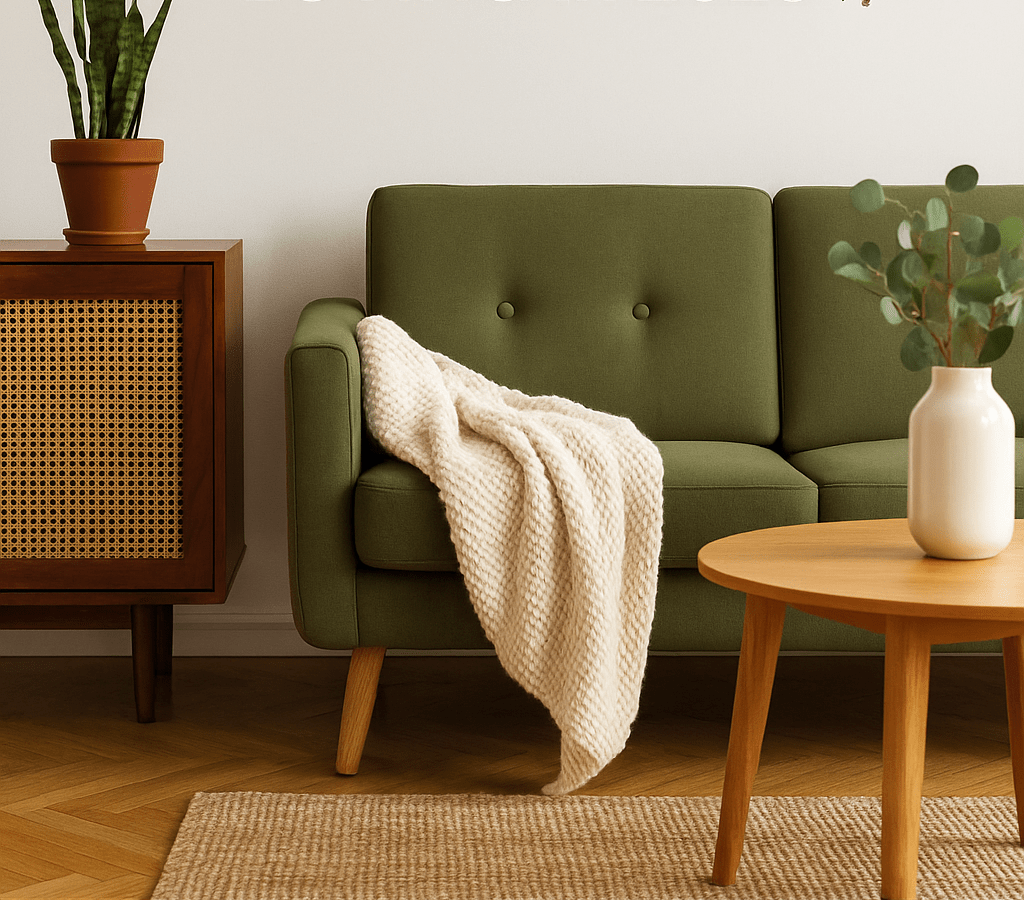

It’s 2025 — and let’s face it, everything feels more expensive. Groceries, furniture, even storage bins. Between inflation and ever-rising rent or mortgage costs, many U.S. families are realizing that furnishing a home from scratch is… well, not exactly budget-friendly.
But here’s the twist: buying new isn’t always smarter. In fact, there are plenty of home essentials that you can — and should — buy second-hand (or “smart swapped”) instead. You’ll save hundreds, skip supply chain delays, and give pre-loved pieces a stylish new life.
Ready to outsmart inflation and upgrade your home without the guilt or the price tag? Here’s the ultimate Smart Swap List for U.S. homes in 2025 👇
🪑 1. Wooden Furniture: Solid Gold at Half the Price
Old wooden furniture — think dressers, nightstands, and coffee tables — is a second-hand jackpot.
Modern “affordable” furniture is often made of particleboard that chips within a year. Meanwhile, that vintage solid-wood dresser on Facebook Marketplace? It’s built to outlast your mortgage.
A quick sanding, some stain or paint, and new hardware can turn a $30 thrift-store find into a $300 lookalike.
Why it’s a smart swap:
- Better materials (solid oak, maple, or walnut).
- Easier to repair.
- Holds resale value if you ever want to flip it later.
Pro Tip: Avoid pieces with musty smells or warped drawers — always check for smooth slides and sturdy joints.
🪞 2. Mirrors: Reflecting Savings and Style
Never — and we mean never — pay full price for a decorative mirror in 2025.
Mirrors are one of the easiest and safest second-hand swaps. You’ll find them everywhere — thrift shops, yard sales, even neighborhood curb alerts.
Give them a light polish or paint the frame in a trending dopamine décor hue like terracotta or sage green. Hang it opposite a window to make a small U.S. apartment or hallway feel twice as bright.
Why it’s a smart swap:
- Huge impact for small budgets.
- Easy to clean and upcycle.
- Works in every U.S. home type (from basement dens to suburban living rooms).
🪞 3. Lighting Fixtures: Vintage Finds That Shine
Lighting is the soul of your space — but new fixtures can be outrageously priced.
Look for second-hand table lamps, pendants, or sconces at estate sales or community markets. Many older fixtures were made from brass or metal — not flimsy plastic — and can easily be rewired for modern safety.
Budget Tip: If rewiring makes you nervous, replace just the bulb and shade. Even that tiny update can make a thrifted lamp look brand new.
Why it’s a smart swap:
- Vintage styles are back in 2025.
- Most lamps and shades clean up beautifully.
- Rewiring kits are affordable and safe when installed correctly.
🪴 4. Plant Pots and Planters: Style on a Dime
Buying new planters? That’s one of the easiest ways to waste money.
Thrift stores are full of ceramic, glass, and terracotta pots that just need a scrub or a coat of paint. Some even come in fun shapes or vintage glazes that beat anything mass-produced.
Real-life example: A Maryland couple turned mismatched second-hand pots into a color-coded herb garden along their kitchen window — all for under $10.
Why it’s a smart swap:
- Durable materials.
- Unique styles that add character.
- Great for seasonal swaps or indoor gardens.
🛋️ 5. Accent Chairs and Ottomans: Small Fixes, Big Rewards
Before you splurge on a new accent chair, check your local marketplace.
Accent seating often gets minimal wear — meaning you can find high-quality second-hand options that only need minor TLC. Reupholster with bold, happy fabrics (think dopamine décor!) or simply clean and accessorize with a thrifted throw pillow.
Why it’s a smart swap:
- Easy to refresh and customize.
- Great for small U.S. living rooms or cozy reading corners.
- Keeps furniture waste out of landfills — a win for sustainability.
🪟 6. Curtains and Textiles: A Quick Mood Makeover
Curtains, tablecloths, and fabric décor are the hidden gems of second-hand shopping.
Wash, steam, and hang them — boom, instant transformation. Many thrifted fabrics come in retro or designer prints that add charm to plain U.S. interiors.
Smart hack: Repurpose thrifted fabric panels into DIY pillow covers or wall hangings for a cohesive look.
Why it’s a smart swap:
- Affordable way to add texture and warmth.
- Easy to sanitize.
- Perfect for renters who want a quick style fix.
🧰 7. Tools and Garage Gear: The Practical Swap
From drills to ladders, second-hand tools are one of the smartest swaps for U.S. homeowners.
Many people buy tools for a single project, then sell or donate them in nearly new condition. Just test them before buying — plug them in or check for rust on metal surfaces.
Why it’s a smart swap:
- Major savings for occasional DIY users.
- Often lightly used and fully functional.
- Great for garage organization or weekend projects.
🧺 8. Baskets, Bins, and Organizers: Save on Storage
The average American spends hundreds annually on storage and organizing solutions — most of which are plastic and short-lived.
Instead, thrift old wicker baskets, wooden crates, or even wire bins. Line them with fabric for a clean look and use them to store towels, toys, or pantry items.
Real-life U.S. hack: A Brooklyn renter used vintage milk crates as open shelving — chic, functional, and sustainable.
Why it’s a smart swap:
- Saves space and money.
- Eco-friendly alternative to plastic.
- Adds texture to minimalist spaces.
🖼️ 9. Wall Art and Frames: Customize Without Breaking the Bank
Wall art is deeply personal — so why buy mass-produced prints when you can find unique second-hand pieces?
Old frames can be spray-painted and filled with your own photos, free art prints, or thrifted fabric swatches. Mix and match to create an art wall that tells your story.
Why it’s a smart swap:
- Adds personality to your space.
- Saves hundreds on art prints.
- Ideal for renters who want removable wall impact.
🛋️ 10. Rugs: Just Clean, Don’t Splurge
Rugs can be pricey, but second-hand ones are everywhere — and many are barely used.
Renters and homeowners often sell rugs after redecorating or moving, so you can score great quality at a fraction of the cost.
Safety Tip: Always deep-clean or steam-clean rugs before use to eliminate allergens or pet dander.
Why it’s a smart swap:
- High-impact décor upgrade for low cost.
- Large variety of styles available locally.
- Easy to refresh and maintain.
💡 What Not to Buy Second-Hand
Of course, not everything’s fair game. Avoid used items that could harbor bacteria or allergens — like mattresses, upholstered headboards, or anything with fabric you can’t clean deeply.
Also skip older electronics (they age fast) and anything with a musty smell or visible damage you can’t fix safely.
💬 Final Thoughts: “Smart Swap” Is the 2025 Way to Shop
In 2025, “new” doesn’t always mean better. From solid-wood furniture to artful mirrors and thrifted textiles, smart swapping gives you style, sustainability, and savings — all in one.
U.S. homeowners are learning that you can have a home that feels fresh without buying everything fresh out of the box.
So before you add to cart this weekend, check your local thrift shop or marketplace. You might just find your next upgrade waiting for a second chance — and your wallet will thank you. 💛
Q1. Why is buying second-hand smarter than buying new in 2025?
With inflation and rising living costs, buying new can strain your budget. Second-hand shopping lets U.S. families save money, reduce waste, and find unique, higher-quality items that hold up better over time.
Q2. Are second-hand items safe for kids or allergy-sensitive homes?
Yes — as long as they’re properly cleaned. Use steam cleaners, disinfecting wipes, or natural sanitizers. Avoid upholstered or plush items you can’t wash deeply, such as used mattresses or stuffed furniture.
Q3. Where can Americans find reliable second-hand home goods?
Great finds come from local thrift shops, community yard sales, estate sales, and online platforms like neighborhood groups and marketplace listings. Many U.S. towns now host “swap days” for exchanging items safely.
Q4. What’s trending in second-hand home décor across the U.S. in 2025?
“Smart swaps” and “dopamine décor” are trending big — bright colors, upcycled wood, and thrifted vintage accents. U.S. homeowners are leaning toward sustainability, character, and creativity over fast furniture.