Inflation is hitting everything — from grocery bills to utility costs — and U.S. households are feeling the squeeze. But here’s the good news: your home doesn’t have to be stuck on “expensive mode.” With a little creativity (and a willingness to embrace second-hand finds), you can upgrade, organize, and refresh your space without draining your wallet.
Let’s dive into 15 smart second-hand swaps that are actually helping U.S. homes fight inflation in 2025. These aren’t just budget moves — they’re game-changers.
1. Bookshelves → Mudroom Lockers
Instead of buying pricey entryway systems, repurpose a tall second-hand bookshelf. Add hooks, baskets, or even peel-and-stick wallpaper to mimic mudroom lockers. Perfect for garages, basements, or tight apartment entryways where coats and backpacks pile up.
👉 Tip: Secure tall shelves to the wall to prevent tipping — especially in homes with kids.
2. Old Dressers → Kitchen Islands
Second-hand dressers with drawers still intact can transform into storage-packed kitchen islands. Just add a butcher block top or even a sealed plywood slab. Suddenly, you’ve got extra counter space for Thanksgiving prep without dropping thousands on a remodel.
👉 Safety note: Seal or line drawers if storing food items to prevent bacteria and dust.
3. Window Frames → Indoor Greenhouses 🌱
Vintage window frames can be hinged together into a mini greenhouse for your kitchen herbs or starter plants. In U.S. apartments with limited sunlight, this hack maximizes growth while keeping it stylish and functional.
👉 Tip: Use tempered or plexiglass panes to reduce shatter risk indoors.
4. Cribs → Desk Stations
With kids growing fast, outgrown cribs are everywhere in resale groups. Turn the frame into a fold-down desk — ideal for small apartments or teen homework corners. The built-in rails even work as shelves or cord organizers.
⚠️ Safety note: Avoid cribs made before June 28, 2011, or any with drop-side hardware. Always check CPSC recalls before repurposing.
5. Dining Chairs → Outdoor Benches
Mismatch second-hand dining chairs? Remove the backs, attach them side by side, and add an outdoor-safe cushion. You’ll have a backyard bench perfect for Fourth of July BBQs or fall fire pits.
👉 Tip: Use exterior-grade sealant on wood to weatherproof.
6. Wooden Ladders → Vertical Storage
Second-hand wooden ladders aren’t just rustic décor. Mount one horizontally above your washer and dryer to hang clothes, or use it in the bathroom to hold towels. A small-space lifesaver, especially for renters with limited closets.
👉 Safety note: Retire cracked or weak ladders — only sturdy frames work for reuse.
7. Filing Cabinets → Garage Workstations 🔧
Old metal filing cabinets are durable and surprisingly handy in U.S. garages. Top them with a reclaimed wood board for a DIY workbench, and use the drawers to organize tools, paint cans, or even holiday lights.
👉 Tip: Anchor cabinets to the wall for stability before loading heavy gear.
8. Picture Frames → Serving Trays
Flat second-hand picture frames with handles attached can become serving trays for coffee tables or patio snacks. Slip in patterned fabric or waterproof paper for a fresh look that costs pennies compared to new trays.
👉 Note: Choose sturdy wooden frames over plastic for better durability.
9. Headboards → Garden Trellises
Wood or metal headboards are sturdy enough to support climbing plants like tomatoes, cucumbers, or even morning glories. They’re a brilliant way to upgrade backyard or balcony gardens without buying pricey trellis systems.
👉 Tip: Treat wood with outdoor sealant to extend its life against rain.
10. Entertainment Centers → Pantry Storage
Remember those bulky 2000s entertainment centers? They’re all over second-hand markets. With some paint and shelves, they turn into mini pantries or laundry stations. Perfect for suburban basements or small kitchens that need overflow storage.
👉 Tip: Add caster wheels if you need a mobile unit in basements or garages.
11. Shutters → Wall Organizers
Old shutters can be mounted on walls to hold mail, bills, or even recipes. In busy U.S. households where paper clutter explodes (especially around tax season), this swap keeps things neat and visible.
👉 Tip: Sand sharp edges before indoor use to avoid paper snags or scratches.
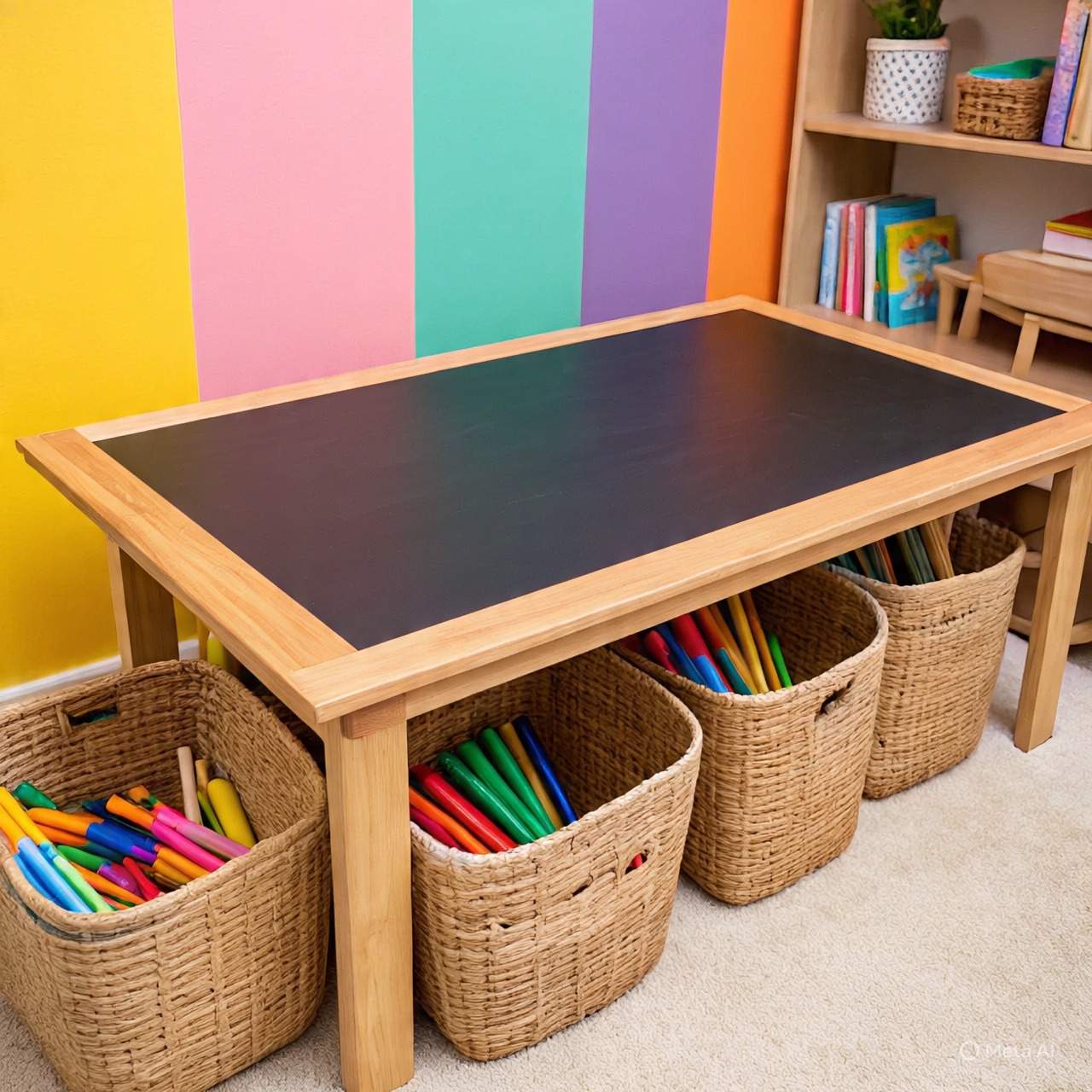
12. Coffee Tables → Kids’ Play Stations 🎨
Second-hand coffee tables can be sanded down and painted with chalkboard paint. Add baskets underneath, and suddenly kids have an art station that saves your kitchen counters from the chaos of markers and glitter.
👉 Note: Smooth and seal edges to make them safe for little hands.
13. Door Panels → Headboard Walls
Solid second-hand doors (minus the hinges) can be mounted behind a bed for an instant headboard wall. It’s a budget way to get a “custom” look without showroom prices, and it works beautifully in both suburban master bedrooms and city studios.
👉 Tip: Sand and seal doors to avoid splinters before installation.
14. Mason Jars → Pantry Lights
Second-hand mason jars are everywhere. With safe LED puck lights, they can be turned into pendant-style pantry or basement lights. It’s an affordable glow-up that doesn’t mess with wiring or big electrical bills.
⚠️ Safety note: Drill ventilation holes if lids are enclosed. Never hard-wire jars without a licensed electrician.
15. Sofa Tables → Laundry Room Stations
Narrow console or sofa tables are perfect for laundry rooms. Place one over machines (with a gap for hoses) to fold clothes, or tuck one beside a dryer to hold baskets. It’s a second-hand hack that saves time and keeps laundry chaos under control.
👉 Tip: Use moisture-resistant finishes so the wood holds up in humid laundry spaces.
Why Second-Hand Swaps Make Sense in 2025
Inflation has forced U.S. households to rethink what “home improvement” really means. Instead of expensive renovations or big-box store hauls, second-hand creativity offers:
- Savings: Many U.S. resale listings show dressers for $20–$80, which means a finished island often costs under $100–$200 instead of thousands..
- Sustainability: Reusing keeps items out of landfills and aligns with eco-conscious values.
- Originality: No cookie-cutter looks — every swap is unique to your home.
- Flexibility: Renters benefit because most hacks are reversible or moveable.
Final Thought 💡
Beating inflation in 2025 isn’t just about cutting coupons or skipping your latte run. It’s about thinking differently inside your home. With these second-hand swaps, U.S. households can stretch budgets, cut waste, and still create spaces that feel fresh and stylish.
So, next time you’re scrolling through a resale app or driving past a garage sale, don’t just see “old stuff.” See potential.
Your home (and your wallet) will thank you.
Q1: Are second-hand home hacks safe to use in apartments?
A: Yes. Most swaps, like bookshelf mudroom lockers or sofa tables over washers, are reversible and landlord-friendly. Always use removable hardware or request permission before drilling.
Q2: Can I turn old furniture into a kitchen island safely?
A: Absolutely. Just ensure the finished height is about 36″ (standard U.S. counter height), add a sturdy top, and anchor it if necessary for stability.
Q3: Can mason jars really be used for DIY lights in U.S. homes?
A: Yes, but only with LED puck lights or plug-in kits. Never hard-wire jars without a licensed electrician, and always allow ventilation for safety.
Q4: What’s the cheapest second-hand furniture item to repurpose in 2025?
A: Old dressers and bookshelves are widely available in U.S. resale markets for under $100 and can be transformed into islands, lockers, or storage solutions.
Q7: How do second-hand swaps help with sustainability in the U.S.?
A: Americans toss millions of tons of furniture yearly (EPA). Repurposing keeps usable items out of landfills and reduces the need for new production.