
Fall in the U.S. is magical: crisp air, crunchy leaves, early dusk. But for many, it also brings low energy, mood dips, and the urge to hibernate. Good news: you don’t always need therapy or expensive retreats. New habits, fresh studies, and everyday trends in 2025 are showing Americans simple, budget-friendly ways to give their brain a healthy dopamine boost—without splurging on therapy or pricey retreats.
Here’s your freshly brewed “fall dopamine menu” full of practical, unique, research-backed hacks.
What’s New in 2025 Science & Trends?
- Dopamine anchoring has gained attention as a way to tie pleasure to tasks you normally resist. The Economic Times
- “User-led indoor environment modifications” using local natural materials can improve mood & sense of agency even if going outside is tough.
- The menu concept: having a list (“dopamine menu”) of healthy, stimulating options to choose when you feel down or restless. This approach is popular now for ADHD, burnout, and general wellness. ADDitude+1
Your DIY Fall Dopamine Menu 🌟
Try combining 2–3 of these each week. Track what works, tweak as needed. All are low-cost (often free), doable in small bursts, and especially useful for U.S. contexts (weather, culture, housing).
1. Dopamine Anchoring for Chores
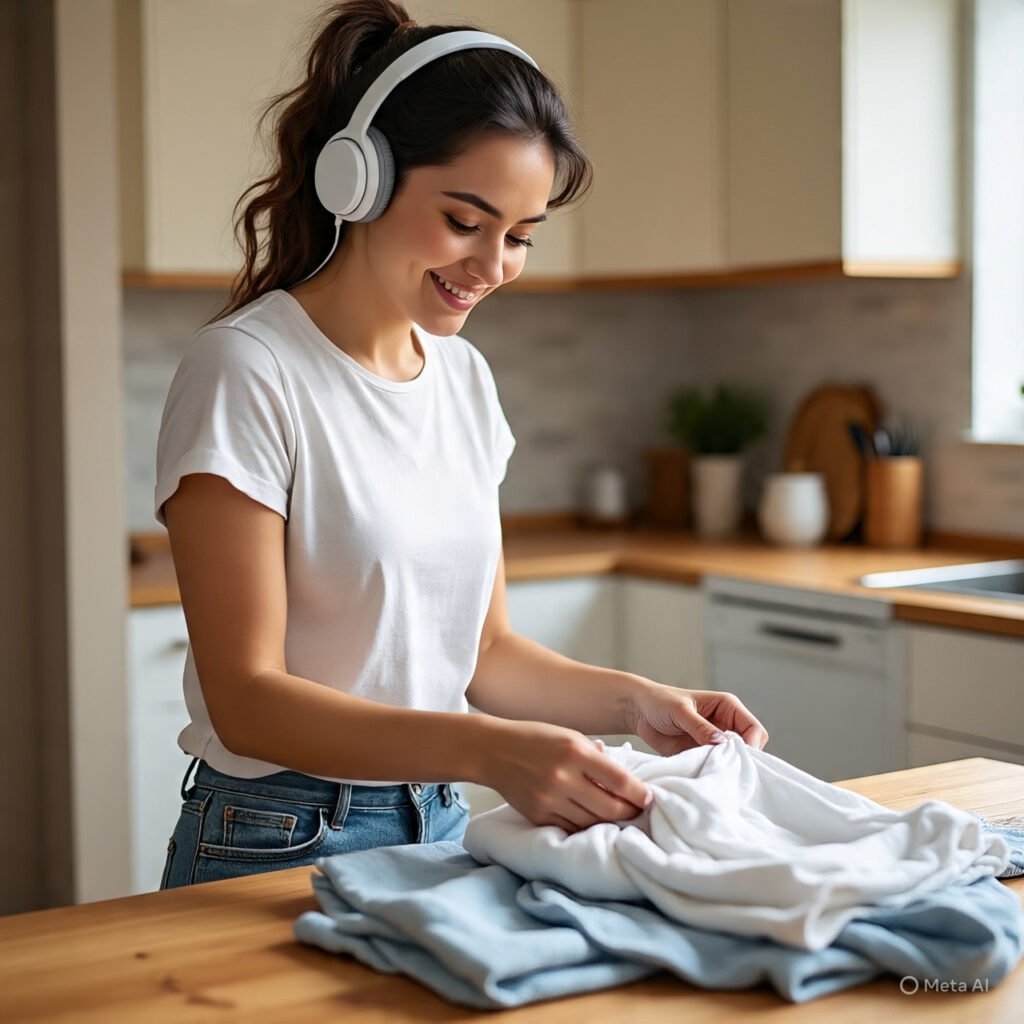
What to do: Pair a disliked task (e.g. folding laundry, cleaning kitchen, processing bills) with a small joy reward. For example: only listen to that new podcast you love while doing dishes. Or allow a piece of dark chocolate right after finishing the paperwork.
Why it works: Studies in behavioral psychology show that pairing a reward with a task helps your brain associate effort with enjoyment. Over time, chores feel less draining.
Tips:
- Choose anchors that are healthy (a song, a stretch, a flavored tea—not always sugar or screen time).
- Keep the disliked task + anchor pairing regular (same time/place) so your brain starts expecting the pleasure.
- Switch anchors once in a while so things don’t get stale.
2. Bring the Outside In: Local Natural Materials Decor
What to do: Collect fall leaves, pine cones, bark, seed pods from your neighborhood (just what’s allowed), then use them to modify your indoor space. Maybe a small tabletop arrangement, wall collage, journaling board, or shelf display. Use natural textures (wood, stone) if possible.
Why it works: A study showed that using local natural materials indoors boosts mood, environmental connectedness, and sense of control — especially for those spending more time inside due to weather, job, or mobility.
Budget tips:
- Use what you find — free!
- If you want color, try drying leaves or using spray paint sparingly.
- Pair with lighting (see #4) to accentuate the textures.
3. Micro-Novelty Walks + “What’s Different?” Game
What to do: Once or twice per week, take a short walk in a nearby park, neighborhood, or even your street—but with the aim of seeking novelty. Play a mental game: “What’s different today?” Maybe a shop has new outdoor lighting, a tree is changing earlier, a new smell in the air.
Why it works: Novelty is a major dopamine trigger. Adding the awareness game amplifies it by making your brain scan for new reward signals.
Tips:
- Use your phone’s camera occasionally and take a snapshot of something you noticed changed. Revisit later.
- Invite a friend, or do it alone with music / podcast.
4. Adaptive Indoor Lighting Switches
What to do: Adjust your indoor light schedule to mimic natural daylight changes. In the morning, use bright, cool light; in the evenings, warm amber tones. Use lamps, smart bulbs, or even desk lights.
Why it works: Mood is heavily influenced by light & circadian rhythm. With shorter daylight in fall, your brain misses cues; adaptive lighting compensates, helps regulate sleep and mood. (This aligns with studies on light exposure & mood in SAD / seasonal mood changes.)
Budget hack:
- Cheap LED bulbs with color temp settings or smart plugs/timers.
- Use candles or battery-powered warm lights for evenings.
5. “Mood Menu” Habit Plan
What to do: Build your own list (“menu”) of 5–7 small mood boosters you can pick from when you feel low. These should be quick, doable, and repeatable.
Possible items:
- Step outside for 3 minutes of fresh air / leaf crunch.
- Do 5 deep belly breaths with window open.
- Put on your favorite song and dance in place.
- Write down one memory that made you laugh this month.
- Make a warm autumn-spiced drink (e.g. cinnamon oat latte).
Why it works: You’re giving yourself choices, so you feel in control. Also, having options helps avoid “meh, nothing seems worth it.” The menu concept is especially effective for ADHD & burnout.
How to Make These Truly Stick
- Set small reminders. Alarm on your phone for “novelty walk,” sticky note: “anchor today’s chore”
- Pair with routine things. Do your mood menu habit right after brushing teeth or when you come home—chain it to something you already do.
- Track it lightly. Use symbols or colors in a notebook or app (smile = good mood, leaf = outdoor, ☕ = mood booster). See which boosters show up before your better days.
- Layer up. Try combining one environmental change (#2, #4) + behavior change (#1, #3) + mood menu (#5). The gains multiply.
When to Seek More Support
This “dopamine menu” is not a replacement for therapy or clinical support. If you notice persistent depression, mood knowing, suicidal thoughts, or inability to function, reach out to a professional. But for mild seasonal dips, burnout, or just wanting more joy in everyday fall life—these hacks give you real, affordable tools.
Fall 2025 doesn’t have to be about surviving the short days—it can be about finding, creating, and training your brain toward small wins. Use this menu, experiment, stretch a little. You might be surprised how rich your mood can get, one crunchy leaf or candle flicker at a time. 🍁
Q: What affordable changes can I make at home to boost mood during shorter days?
Some low-cost hacks: using LED bulbs with adjustable color temp, opening blinds early, arranging local natural decor for comfort, pairing chores with something you enjoy (music or podcast), creating a mood menu of small, quick happiness actions.
Q: Is there a risk combining these hacks with other mental health treatments or meds?
Generally these lifestyle changes are safe, but if you have photosensitive conditions, eye issues, or use light-sensitive medications, check with a doctor before using a strong light source. These are not replacements for therapy if you have moderate or severe depression.
Q: What food or vitamin changes help with fall mood dips?
Consider vitamin D (through sun, supplements, or diet), omega-3 fatty acids (salmon, walnuts), lower sugar intake, more whole foods, seasonal fruits/vegetables. Staying hydrated, maintaining regular meals also help

