
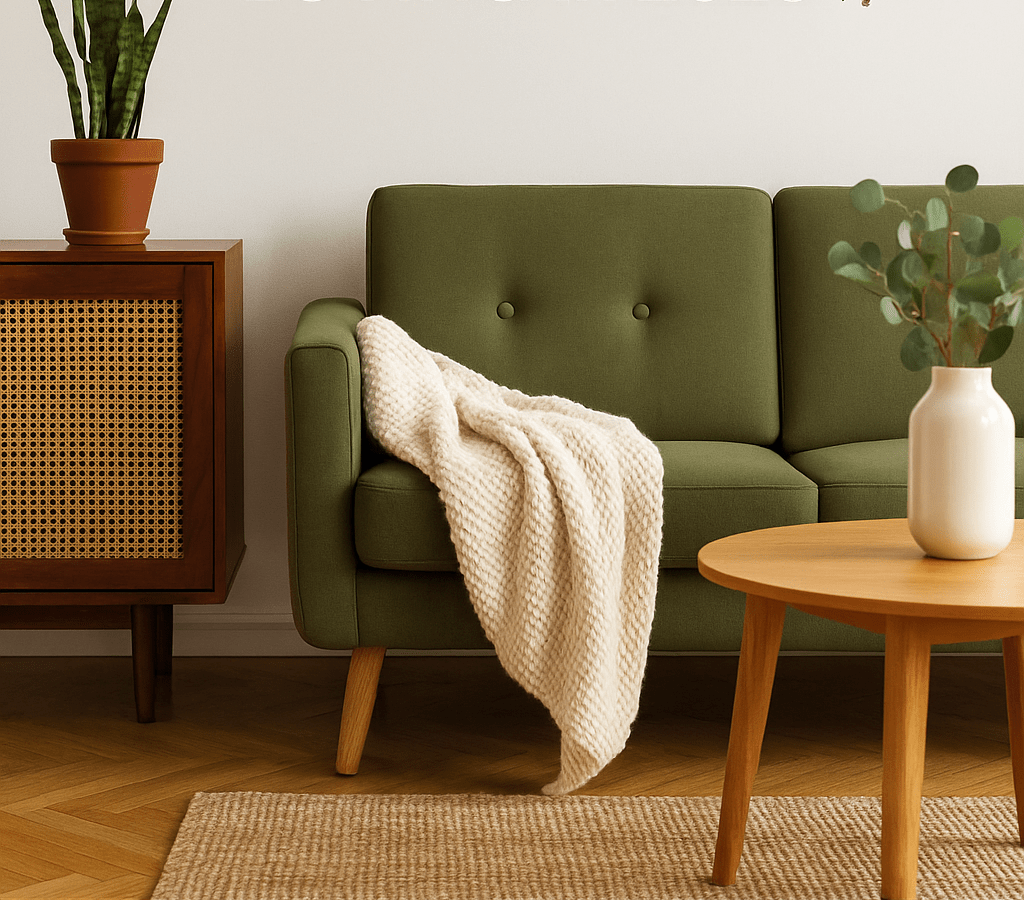
If 2025 has taught us anything, it’s that living sustainably doesn’t have to mean living expensively. Between rising costs and a growing push for greener living, Americans are finding smart, affordable ways to decorate, organize, and upgrade their homes — all without adding to landfills or draining their wallets.
Welcome to eco-smart living — where sustainability meets budget sense and style. And the best part? Most of the materials you need are already out there — waiting for a second life at thrift stores, garage sales, or even your neighbor’s “free” curbside listings.
Here are 11 second-hand swaps that make your U.S. home greener, trendier, and more budget-friendly in 2025 🌎💚
🪑 1. Swap: New Furniture ➜ Solid Wood Second-Hand Finds
Skip the cheap particleboard furniture that warps in a year. Look for solid wood dressers, tables, and chairs — the kind your grandparents owned.
A light sanding and coat of low-VOC paint can make even the most dated piece look brand-new. Solid wood lasts decades and can be refinished multiple times — a win for both your wallet and the planet.
Eco Bonus: You’re saving one more piece of furniture from the landfill (and avoiding the carbon footprint of new manufacturing).
💡 2. Swap: New Lighting ➜ Vintage Fixtures
Instead of grabbing new plastic lamps, look for vintage or metal-based lamps at second-hand shops. Older pieces often have better craftsmanship and style.
You can rewire them safely with an affordable DIY kit, or have a pro handle it. Replace the bulb with an energy-efficient LED, and you’ve got eco-smart, ambient lighting that saves electricity every month.
🪞 3. Swap: Wall Décor ➜ Refreshed Thrifted Mirrors
Mirrors are one of the most underrated second-hand steals. They open up space, reflect light, and look far pricier than they cost.
Find one with a solid frame, clean it, and paint or stain the border to match your décor. Hang it opposite a window to maximize daylight — perfect for small U.S. apartments or darker basements.
Pro Tip: Large mirrors (around 3–4 feet tall) create the illusion of higher ceilings in rooms with limited light.
🌱 4. Swap: Plastic Planters ➜ Repurposed Ceramic Bowls
Instead of buying new planters made of plastic, look for ceramic bowls, mugs, or pots from thrift stores. Add a few drainage holes or a layer of pebbles at the bottom for water flow.
You’ll create unique, character-filled planters while cutting down on plastic use — and your succulents will thank you.
Eco Win: Reusing ceramics reduces manufacturing demand and waste from single-use plastics.
🧰 5. Swap: Store-Bought Storage ➜ Upcycled Crates and Drawers
Every U.S. household needs more storage — but you don’t need to buy new bins. Look for wooden crates, baskets, or dresser drawers at second-hand shops.
Sand and paint them for a fresh look, then use them under beds, in closets, or as wall shelving. They’re functional, durable, and way more stylish than plastic tubs.
Real-life example: One Chicago renter used old apple crates as wall-mounted bookshelves — saving money and space in her tiny apartment.
🛋️ 6. Swap: Trendy Sofas ➜ Thrifted Frames + Fresh Slipcovers
Instead of splurging on a new couch, look for a used sofa with a sturdy frame. Add a new slipcover in an eco-friendly fabric (cotton, linen, or hemp) and give it a whole new vibe.
Many second-hand couches have years of life left — they just need a little aesthetic refresh.
Bonus: You can change the slipcover by season — cozy fleece for winter, breathable linen for summer — without tossing the couch.
🪵 7. Swap: Particleboard Shelves ➜ Reclaimed Wood
Skip mass-produced shelves made with glue and MDF. Instead, build your own from reclaimed wood boards (often found for free or cheap in U.S. community exchanges).
Use metal brackets or L-hooks to mount them — the look is rustic, durable, and sustainable.
Pro Tip: Lightly sand but don’t over-finish reclaimed wood; its imperfections give it that modern farmhouse or industrial edge.
🖼️ 8. Swap: Art Prints ➜ DIY Wall Collage
Forget paying $100 for wall art. Print digital art yourself or use magazine clippings, vintage postcards, or fabric scraps inside thrifted frames.
This gives your walls personality and prevents mass-produced décor waste. You can rotate the collage seasonally — Halloween, Thanksgiving, spring — for a fresh look year-round.
🧺 9. Swap: Plastic Laundry Baskets ➜ Woven Baskets
Woven baskets are practically everywhere second-hand, and they’re built to last decades. Use them for storing blankets, laundry, or even recycling bins.
Line them with fabric if needed, and you’ve got a sustainable alternative to flimsy plastic baskets that crack every few years.
Eco Win: Wicker and natural fiber baskets are biodegradable — and look way better in your living room.
🕯️ 10. Swap: Store-Bought Candles ➜ DIY Candle Refill Jars
Don’t toss those old glass candle jars! Clean them out and refill them using soy or beeswax flakes, which are both cleaner-burning and better for indoor air quality.
Add your favorite essential oil for a personal scent — lavender for calm, citrus for energy.
Why it’s smart: You cut down on packaging waste, avoid toxins, and create a reusable décor piece that feels luxe and intentional.
🪑 11. Swap: Office Furniture ➜ Used Ergonomic Finds
Home offices are now a permanent part of American life — but you don’t need to buy new. Many U.S. offices sell or donate lightly used chairs and desks when remodeling.
You can score ergonomic, high-quality furniture for a fraction of the cost. Just sanitize surfaces, tighten screws, and you’re good to go.
Real-world tip: A Texas freelancer furnished her entire workspace for under $100 by mixing second-hand office chairs, a thrifted desk, and a reclaimed wood shelf.
💬 Why Eco-Smart Swaps Are the Future of U.S. Homes
Eco-smart living isn’t just a “green” trend — it’s a practical lifestyle shift for 2025. Americans are realizing that buying less, reusing more, and repurposing creatively leads to:
✅ Lower monthly expenses
✅ A more personalized home
✅ Less clutter
✅ A lighter environmental footprint
When your home feels intentional, sustainable, and full of character — you naturally feel better too.
🌿 Final Thoughts: Make Sustainability Personal
Living sustainably doesn’t have to mean going full minimalist or giving up comfort. It’s about smarter choices. Every second-hand swap you make — whether it’s a thrifted mirror, a reclaimed shelf, or a repainted dresser — adds up to a cleaner planet and a more thoughtful home.
So before you click “Buy Now,” take a look around your community — or even your own garage. Chances are, the next eco-smart upgrade for your home is already waiting to be rediscovered 💚
Q1. What does eco-smart living mean for U.S. homes in 2025?
Eco-smart living means making sustainable, affordable choices that reduce waste and energy use. For U.S. homes, it includes second-hand swaps, energy-efficient lighting, and upcycling furniture to save money and protect the planet.
Q2. How can I make my U.S. home more eco-friendly on a budget?
Start small — swap new purchases for second-hand finds, use LED lighting, reuse materials, and avoid plastics. Many eco-friendly home upgrades in the U.S. cost little to nothing and even lower monthly bills over time.
Q3. What second-hand items are best for sustainable living in the U.S.?
Solid wood furniture, mirrors, lighting fixtures, ceramic pots, and shelves are ideal second-hand items. They’re durable, easy to restore, and eco-friendly alternatives to new factory-made products.
Q4. What’s the easiest eco-smart home project for beginners?
Start by painting and repurposing old furniture or adding thrifted mirrors and lamps. These easy projects give instant results and help beginners see how simple eco-smart living can be.